
Azoospermia Treatment (No Sperm Count)
Regain Hope for Parenthood with Advanced Male Infertility Solutions
Azoospermia, commonly known as “no sperm count,” is a condition where a man’s semen contains no sperm. It is one of the major causes of male infertility but modern medical advancements offer highly effective treatment options. With the right diagnosis and treatment, many men with azoospermia can still achieve biological fatherhood.
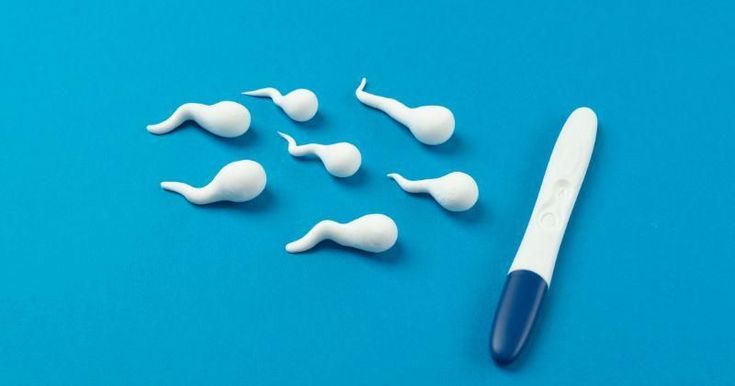
What is Azoospermia?
Azoospermia affects about 1% of all men and up to 15% of infertile men. It can be caused by:
Obstructive Azoospermia – A blockage prevents sperm from reaching the semen.
Non-Obstructive Azoospermia – The testes do not produce sperm or produce very low levels.
Causes of Azoospermia
Understanding the root cause is essential for effective treatment. Some common causes include:
Genetic conditions (like Klinefelter syndrome)
Hormonal imbalances
Testicular injury or infections
Blockages in the reproductive tract
Prior surgeries (like vasectomy)
Lifestyle factors (excessive alcohol, smoking, toxins)
Symptoms of Azoospermia
Often, there are no obvious symptoms. However, some men may experience:
Low semen volume
Swelling or pain in the testicles
Hormonal imbalance signs (low libido, fatigue, reduced facial hair)
Diagnosis of Azoospermia
Proper diagnosis is the first step to successful treatment. This may include:
Semen Analysis – To check sperm presence and quality.
Hormonal Testing – To assess testosterone and other reproductive hormones.
Genetic Testing – To detect any chromosomal abnormalities.
Scrotal Ultrasound – To detect blockages or structural issues.
Testicular Biopsy – To examine sperm production in the testes.
Treatment Options for Azoospermia
1. Surgical Treatments
Microsurgical Vasovasostomy or Vasoepididymostomy – To remove blockages in the reproductive tract.
Varicocelectomy – To repair enlarged veins in the scrotum.
2. Sperm Retrieval Procedures
TESA (Testicular Sperm Aspiration)
TESE (Testicular Sperm Extraction)
Micro-TESE (Microsurgical Extraction)
These procedures retrieve sperm directly from the testes for use in IVF/ICSI treatments.
3. Hormonal Therapy
For men with hormonal imbalances, medications can improve sperm production.
4. Assisted Reproductive Techniques (ART)
Even with very low or surgically retrieved sperm, IVF with ICSI (Intracytoplasmic Sperm Injection) offers a high chance of conception.
Possible Side Effects of Azoospermia Treatments
While treatments for azoospermia are generally safe and effective, some men may experience:
Discomfort or swelling after surgical sperm retrieval (TESA, TESE, Micro-TESE).
Infections or minor bleeding at the surgical site.
Hormonal fluctuations (especially with hormone therapy), which may cause mood changes, acne, or changes in libido.
Emotional stress due to infertility challenges and treatment procedures.
How to Reduce Side Effects Through Diet
A nutrient-rich diet can help improve sperm production, support recovery, and reduce side effects:
1. Foods Rich in Antioxidants
Fruits: Berries, oranges, pomegranates (reduce oxidative stress).
Vegetables: Spinach, broccoli, kale (support sperm health).
2. Protein & Zinc-Rich Foods
Lean meats, eggs, nuts, seeds, legumes – Essential for sperm production and tissue healing.
3. Omega-3 Fatty Acids
Fish (salmon, tuna), walnuts, flaxseeds – Improve sperm quality and reduce inflammation.
4. Vitamin-Rich Foods
Vitamin C & E: Citrus fruits, almonds, sunflower seeds (boost sperm function).
Vitamin D: Fortified dairy, mushrooms, sunlight exposure (improves hormonal balance).
5. Hydration & Detox
Drink plenty of water and reduce caffeine and alcohol to support overall reproductive health
Lifestyle Changes & Supportive Care
In some cases, improving overall health can boost sperm production:
Maintain a healthy weight
Quit smoking & limit alcohol
Reduce stress levels
Eat a balanced, nutrient-rich diet
Why Choose Us for Azoospermia Treatment?
Expert Andrologists & Fertility Specialists
Advanced Microsurgical Techniques
Personalized Care Plans
High Success Rates with IVF & ICSI
Conclusion
Azoospermia doesn’t mean the end of your dreams of fatherhood. With proper diagnosis, advanced treatments, and personalized fertility solutions, many men with no sperm count can successfully become biological fathers.