
Intracytoplasmic Sperm Injection (ICSI) – Advanced Fertility Solution for Male Infertility
Intracytoplasmic Sperm Injection (ICSI) is an advanced form of In Vitro Fertilization (IVF) used to overcome severe male infertility or fertilization problems. It involves directly injecting a single, healthy sperm into an egg to achieve fertilization.
At Radha Hospital & Fertility Center, Dr. Aishwarya Yerram and our expert team use ICSI to give couples with male infertility or previous IVF failures the best chance of achieving pregnancy.
What is ICSI?
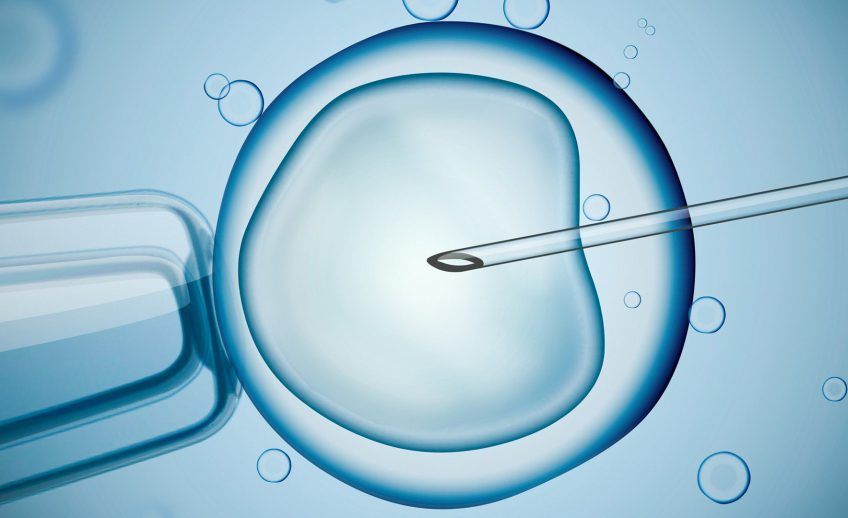
Intracytoplasmic Sperm Injection (ICSI) is an advanced fertility procedure performed as part of In Vitro Fertilization (IVF). In ICSI, a single healthy sperm is directly injected into a mature egg using a fine needle under a high-powered microscope.
This method is especially helpful for couples facing severe male infertility (low sperm count, poor sperm motility, abnormal sperm shape, or sperm retrieval from the testicles). It is also used for couples who have had previous failed fertilization in IVF cycles.
Who Needs ICSI?
ICSI is recommended for couples facing:
Low sperm count or poor motility
Abnormal sperm shape (morphology issues)
Previous failed IVF attempts
Azoospermia (no sperm in the semen – requiring sperm retrieval from the testicles)
Ejaculation problems
Frozen or surgically retrieved sperm (TESA, PESA, Micro-TESE)
Step-by-Step ICSI Process
1. Ovarian Stimulation:
Medications are given to the woman to stimulate the ovaries to produce multiple mature eggs.
2. Egg Retrieval:
Eggs are collected through a simple, minimally invasive procedure under anesthesia.
3. Sperm Collection & Selection:
Sperm is collected from the male partner (or through retrieval techniques like TESA/PESA if needed). The best, healthiest sperm are selected for injection.
4. Intracytoplasmic Injection:
A single sperm is injected directly into each mature egg using a microneedle under a high-powered microscope.
5. Embryo Culture:
Fertilized eggs (embryos) are monitored and grown in the laboratory for 3–5 days.
6. Embryo Transfer:
The best-quality embryo(s) are transferred to the woman’s uterus for implantation and pregnancy.
Benefits of ICSI
Overcomes severe male infertility: Even with very few sperm, ICSI can help achieve fertilization.
Higher fertilization rates: Direct injection improves chances compared to conventional IVF.
Helps in cases of previous IVF failure: Increases the likelihood of fertilization when IVF alone hasn’t worked.
Allows use of retrieved sperm: Makes parenthood possible for men with blocked sperm ducts or testicular sperm.
Success Rate of ICSI
ICSI has very high fertilization rates (70–85%), though pregnancy success depends on factors like the woman’s age, egg quality, and overall reproductive health.
Is ICSI Safe?
ICSI has been widely used worldwide for decades and is considered safe. Risks like multiple pregnancies or minor egg damage are rare and minimized with expert care.
Pros & Cons Of ICSI
Pros of ICSI
Overcomes severe male infertility: Even with very few or poor-quality sperm, ICSI can achieve fertilization.
Higher fertilization rates: Improves the chances of egg fertilization compared to conventional IVF.
Helps in complex cases: Useful for previous IVF failures or when sperm is surgically retrieved (TESA, PESA, Micro-TESE).
Enables use of frozen or donor sperm: Can be performed with previously frozen sperm or eggs.
Cons of ICSI
Cost: Slightly more expensive than conventional IVF.
No guarantee of pregnancy: ICSI improves fertilization rates but does not guarantee implantation or live birth.
Rare risks: Slight chance of egg damage during injection or genetic concerns (especially if severe male infertility is genetic).
Multiple pregnancies: If more than one embryo is transferred, there’s a higher chance of twins or triplets.
Why Choose Radha Hospital & Fertility Center for ICSI?
safety in handling eggs and sperm.
Personalized Treatment Plans – Customized protocols for every couple.
Compassionate Care – We guide and support you at every step of your journey.
Frequently Asked Questions (FAQs)
1. Is ICSI different from IVF?
Yes. In IVF, eggs and sperm are mixed in a dish for natural fertilization, while in ICSI, a single sperm is injected directly into the egg.
2. Does ICSI guarantee pregnancy?
No treatment can guarantee pregnancy, but ICSI significantly improves fertilization rates in severe male infertility cases.
3. Can frozen sperm be used for ICSI?
Yes. ICSI works effectively with frozen or surgically retrieved sperm.
4. Is the procedure painful?
No. Both egg retrieval and embryo transfer are done under anesthesia or sedation, ensuring comfor
Take the First Step Toward Parenthood
If you’ve been struggling with infertility or previous IVF failures, ICSI can help you achieve your dream of becoming parents.
Book a consultation with Dr. Aishwarya Yerram at Radha Hospital & Fertility Center and start your journey today.