
Gynecological Endocrine Disorders – Understanding Hormonal Imbalances in Women
Hormones play a crucial role in regulating a woman’s reproductive health. When these hormones become imbalanced, it can lead to gynecological endocrine disorders that affect menstruation, fertility, and overall well-being. At Radha Hospital & Fertility Center, Dr. Aishwarya Yerram specializes in diagnosing and managing these conditions with a personalized approach.
What Are Gynecological Endocrine Disorders?
Gynecological endocrine disorders are hormonal imbalances that affect a woman’s reproductive system, including the ovaries, uterus, and menstrual cycle. These imbalances can interfere with ovulation, menstrual regularity, fertility, and overall health.
Common examples include Polycystic Ovary Syndrome (PCOS), thyroid disorders, hyperprolactinemia, and premature ovarian insufficiency.
What Are Gynecological Endocrine Disorders?
Gynecological endocrine disorders are hormonal imbalances that impact the functioning of the ovaries, uterus, and reproductive system. These imbalances can disrupt:
Menstrual cycles
Ovulation
Fertility
Metabolism and other body functions
Causes of Hormonal Disorders in Women
Hormonal imbalances can result from various factors, such as:
Genetic predisposition (family history of endocrine disorders)
Thyroid dysfunction (hypothyroidism or hyperthyroidism)
Polycystic Ovary Syndrome (PCOS)
High stress levels affecting hormone regulation
Excess weight or obesity
Chronic illnesses or autoimmune conditions
Medications or contraceptive use
Adrenal gland disorders
Common Gynecological Endocrine Disorders
Polycystic Ovary Syndrome (PCOS) – A common condition causing irregular periods, weight gain, acne, and infertility.
Thyroid Disorders – Overactive or underactive thyroid affecting menstrual cycles and pregnancy.
Hyperprolactinemia – High prolactin levels causing irregular periods or infertility.
Premature Ovarian Insufficiency – Early menopause symptoms before age 40.
Adrenal Gland Disorders – Affecting hormone production and overall reproductive health.
Symptoms of Hormonal Imbalances in Women
Hormonal disorders can present with a variety of symptoms, including:
Irregular or missed periods
Excess facial or body hair (hirsutism)
Unexplained weight gain or difficulty losing weight
Acne or oily skin
Hair thinning or hair loss
Mood changes, anxiety, or depression
Fatigue or low energy levels
Difficulty conceiving (infertility)
Hormonal Imbalance and Pregnancy
Hormonal disorders can significantly impact fertility and pregnancy.
Irregular ovulation or absence of ovulation can make it difficult to conceive.
Conditions like PCOS or thyroid dysfunction can increase the risk of miscarriage or pregnancy complications if left untreated.
Proper diagnosis and treatment of hormonal disorders improve the chances of natural conception and a healthy pregnancy.
How Are These Disorders Diagnosed?
Detailed medical history & physical examination
Hormonal blood tests (thyroid, prolactin, estrogen, progesterone, and others)
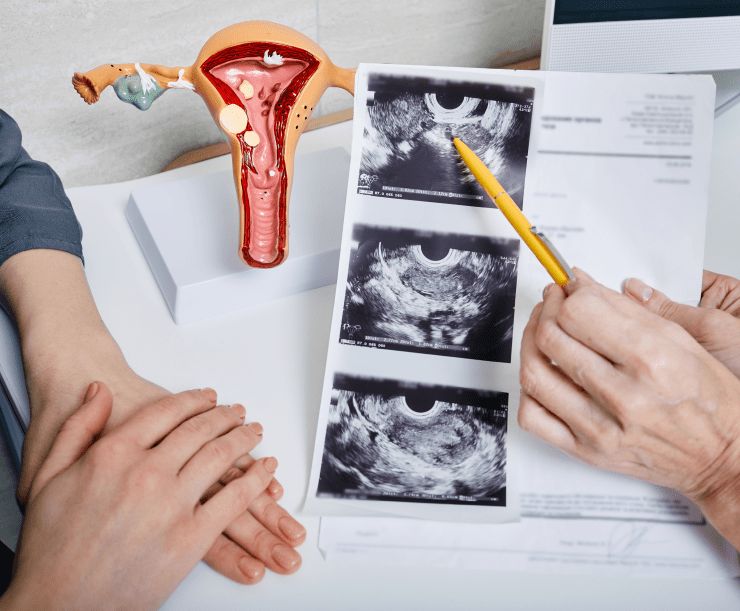
Ultrasound scans to assess ovaries and uterus
Advanced endocrine tests if needed
Treatment Options
Lifestyle changes: Healthy diet, exercise, and stress management.
Hormonal therapy to restore balance.
Medications for thyroid or adrenal disorders.
Fertility treatments (if conception is a goal).
Long-term monitoring to manage chronic hormonal issues.
Why Choose Radha Hospital & Fertility Center?
Expert care by Dr. Aishwarya Yerram in hormonal and reproductive health.
Personalized treatment plans based on individual needs.
Advanced diagnostics and holistic care for long-term management.
Book Your Consultation
If you’re experiencing symptoms of hormonal imbalance, early diagnosis is key to better health.
Schedule a consultation with Dr. Aishwarya Yerram at Radha Hospital & Fertility Center and take charge of your reproductive well-being.