
Cystoscopy: A Complete Guide
What is Cystoscopy?
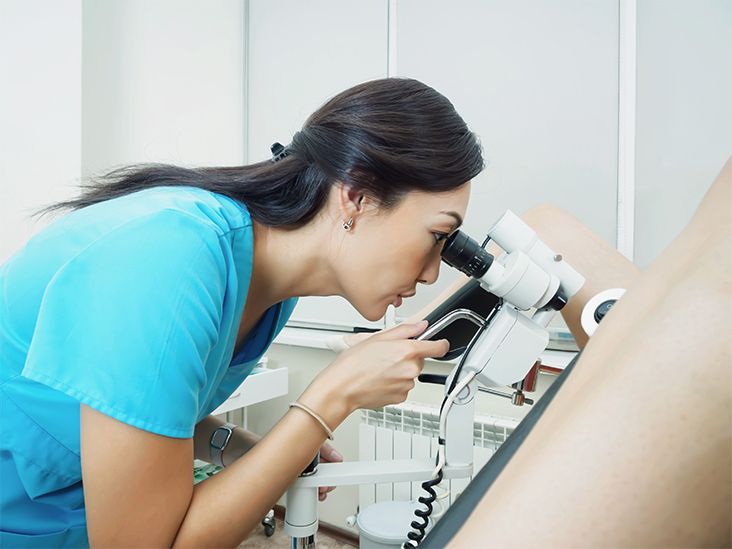
Cystoscopy is a medical procedure that allows doctors to examine the inside of the bladder and urethra using a thin, lighted tube called a cystoscope. It helps diagnose, monitor, and sometimes treat urinary tract problems.
Why is Cystoscopy Needed?
Doctors may recommend cystoscopy to:
Investigate the cause of urinary problems such as blood in urine, frequent infections, or pain.
Diagnose bladder conditions like stones, tumors, or inflammation.
Monitor bladder diseases or cancer after treatment.
Perform minor treatments directly, such as removing small stones or tissue samples (biopsies).
When Should You Seek Medical Advice?
You should consult a doctor if you experience:
Blood in the urine (hematuria)
Painful or frequent urination
Recurring urinary tract infections (UTIs)
Difficulty in passing urine or weak urine flow
These symptoms may indicate conditions that require a cystoscopy for proper diagnosis.
How to Prepare for Cystoscopy?
Preparation may include:
Emptying your bladder before the procedure.
Taking prescribed antibiotics if required.
Informing your doctor about any allergies, medications, or pregnancy.
In some cases, mild sedation or anesthesia may be advised.
Different Types of Cystoscopy
Preparation may include:
Emptying your bladder before the procedure.
Taking prescribed antibiotics if required.
Informing your doctor about any allergies, medications, or pregnancy.
In some cases, mild sedation or anesthesia may be advised.
Different Types of Cystoscopy
Flexible Cystoscopy: Done with a bendable, thin tube under local anesthesia; usually outpatient.
Rigid Cystoscopy: Performed with a straight tube under general or spinal anesthesia; used when treatment or biopsy is needed.
How is Cystoscopy Performed?
The cystoscope is gently inserted through the urethra into the bladder.
A sterile liquid is passed into the bladder to expand it for better viewing.
The doctor examines the bladder lining and may collect tissue samples or perform minor procedures.
The process usually takes 15–30 minutes.
Risks of Cystoscopy
Cystoscopy is generally safe, but some mild risks may include:
Temporary burning or discomfort while urinating
Small amount of blood in the urine
Urinary tract infection
Possible Complications
Though rare, complications may include:
Heavy bleeding
Injury to the bladder or urethra
High fever or severe infection
Immediate medical attention is required if you notice severe pain, large blood clots in urine, or high fever.
Recovery After Cystoscopy
Mild discomfort or frequent urination may last for a day or two.
Drink plenty of water to flush the bladder and reduce irritation.
Pain relief medications may be prescribed if necessary.
Most patients return to normal activities within 24–48 hours.
Understanding Your Cystoscopy Results
Normal Results: Bladder and urethra appear healthy without signs of disease.
Abnormal Results: May show infection, inflammation, stones, tumors, or structural issues.
Your doctor will discuss the findings and recommend the best treatment plan.
Why Choose Radha Hospital for Cystoscopy?
At Radha Hospital & Fertility, we understand that undergoing any medical procedure can feel overwhelming. That’s why we ensure every patient receives personalized care, advanced treatment, and compassionate support.
✅ Expert Specialist – Dr. Aishwarya Yerram: Highly skilled in women’s health, fertility, and urogynecology, ensuring accurate diagnosis and safe procedures.
✅ State-of-the-Art Technology: Equipped with modern cystoscopy instruments for precise and comfortable evaluations.
✅ Patient-Centered Approach: We explain every step clearly, answer your concerns, and make sure you feel at ease.
✅ Comprehensive Care: From diagnosis to treatment and recovery, all under one roof.
✅ Hygiene & Safety First: Following strict safety standards for infection control and patient comfort.
At Radha Hospital, we combine expertise with empathy, ensuring you receive the best care for your bladder and urinary health.