
Anti-TPO Antibodies: Impact on Thyroid Function and Fertility
At Radha Hospital & Fertility Center, we understand how important the thyroid gland is for maintaining both overall health and reproductive wellness. One of the most critical markers of thyroid-related disorders is the presence of Anti-TPO antibodies. These antibodies not only affect thyroid health but also play a major role in fertility, pregnancy outcomes, and recurrent pregnancy loss.
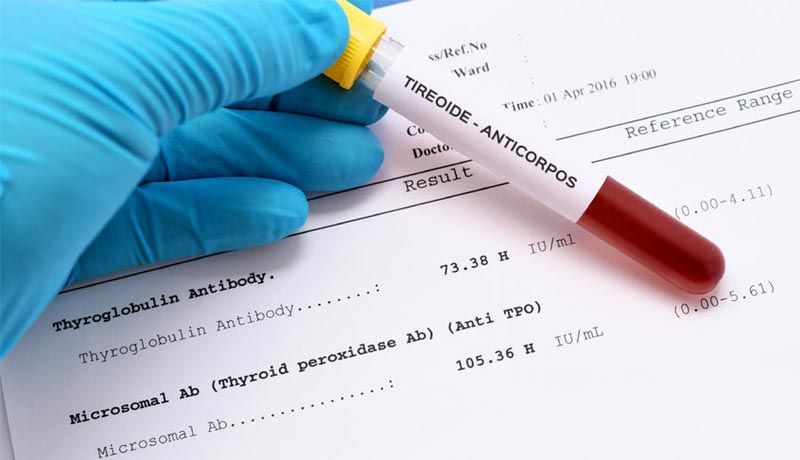
What are Anti-TPO Antibodies?
Anti-TPO antibodies (Anti-Thyroid Peroxidase antibodies) are autoantibodies produced by the immune system. Normally, the enzyme thyroid peroxidase (TPO) helps the thyroid gland produce essential hormones (T3 and T4) that regulate metabolism, growth, and reproductive function.
When the immune system mistakenly attacks TPO, it leads to the production of Anti-TPO antibodies, which can cause thyroid dysfunction.
Conditions Linked to Anti-TPO Antibodies
High levels of Anti-TPO antibodies are commonly seen in:
Hashimoto’s Thyroiditis (leading to hypothyroidism)
Graves’ Disease (leading to hyperthyroidism)
Silent thyroiditis or postpartum thyroiditis
Subclinical thyroid disorders often missed without proper screening
Role of Anti-TPO Antibodies in Fertility and Reproductive Health
Thyroid health and reproductive health are closely connected. Elevated Anti-TPO antibodies can:
Disrupt ovulation cycles, making it difficult to conceive
Increase the risk of unexplained infertility
Affect egg quality and embryo development
Lead to recurrent pregnancy loss (RPL)
Cause complications during pregnancy such as miscarriage, preterm delivery, preeclampsia, and low birth weight
Even women with normal thyroid hormone levels (TSH, T3, T4) but high Anti-TPO antibodies may face fertility challenges.
Symptoms That May Indicate Thyroid Autoimmunity
Not everyone with Anti-TPO antibodies has symptoms, but common signs include:
Unexplained fatigue or weakness
Irregular or missed periods
Difficulty conceiving
Repeated miscarriages
Weight fluctuations
Hair loss and brittle nails
Anxiety or depression
Testing for Anti-TPO Antibodies
A simple blood test can measure Anti-TPO antibody levels. It is often recommended for:
Women with infertility or recurrent miscarriage
Women planning pregnancy
Patients with suspected thyroid disease
Women undergoing IVF or assisted reproductive treatments
Treatment and Management Options
While there is no direct cure for Anti-TPO antibodies, proper management helps improve thyroid function and fertility outcomes:
Thyroid hormone replacement therapy (Levothyroxine) if hypothyroidism develops
Close monitoring during pregnancy to avoid complications
Lifestyle modifications such as stress reduction, regular exercise, and a balanced diet
Vitamin D and Selenium supplementation (shown in some studies to reduce antibody levels)
Fertility treatments (IVF, IUI) combined with thyroid care for better outcomes
Why Early Detection Matters
Detecting Anti-TPO antibodies early allows doctors to:
Identify women at risk of thyroid dysfunction before pregnancy
Provide preventive care to improve fertility
Reduce the risk of miscarriage and pregnancy-related complications
Ensure healthier outcomes for both mother and baby
Why Choose Radha Hospital & Fertility Center?
Specialized expertise in thyroid and reproductive immunology
Comprehensive testing and advanced diagnostics
Individualized treatment plans for women with thyroid autoimmunity
Integrated care for fertility and pregnancy management
Compassionate support throughout your journey to parenthood
Book Your Appointment
If you are struggling with infertility, recurrent miscarriages, or thyroid-related issues, our expert team can help. Schedule a consultation at Radha Hospital & Fertility Center today and take control of your thyroid and reproductive health.