
Laparoscopic Hysterectomy – Advanced Care for Women’s Health
At Radha Hospital & Fertility Center, we specialize in minimally invasive gynecological surgeries. Laparoscopic hysterectomy is one of the most advanced procedures available today for removing the uterus, offering women a safer, less painful, and quicker recovery alternative to open surgery.
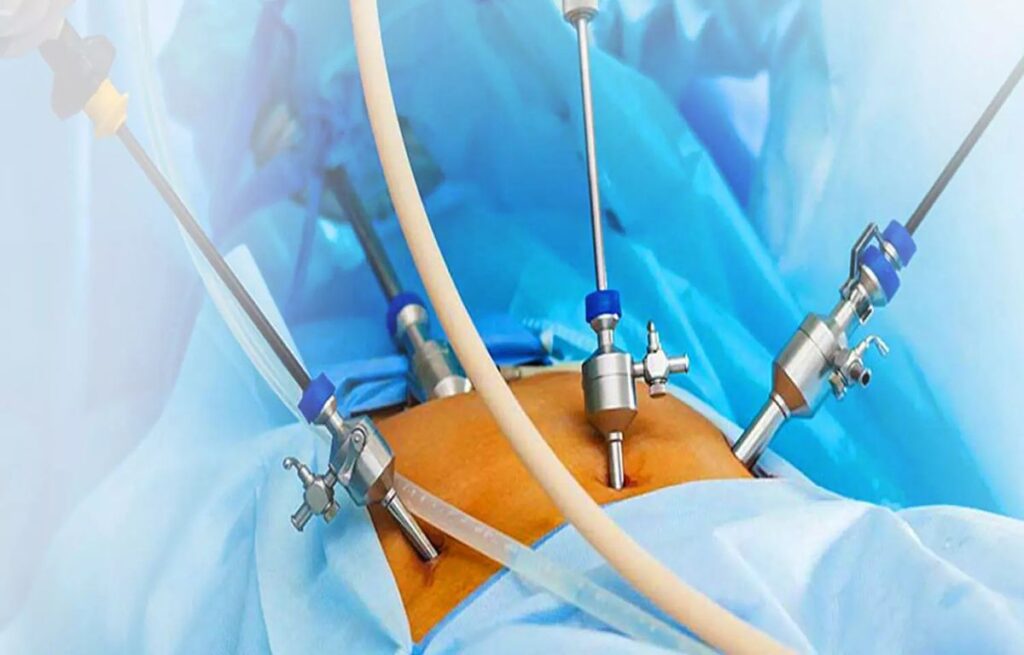
What is a Laparoscopic Hysterectomy?
A laparoscopic hysterectomy is a surgical procedure to remove the uterus using small incisions, a laparoscope (camera), and advanced surgical tools. Unlike traditional open surgery, this technique causes less trauma to the body and ensures faster healing.
Depending on the patient’s condition, the procedure may also involve removing the cervix, ovaries, or fallopian tubes.
Why is Laparoscopic Hysterectomy Done?
Doctors recommend this procedure for several gynecological conditions, including:
Uterine fibroids causing pain or heavy bleeding
Endometriosis with severe symptoms
Adenomyosis (thickening of the uterine walls)
Chronic pelvic pain unresponsive to treatment
Abnormal uterine bleeding not managed by medication
Uterine prolapse (uterus slips into the vaginal canal)
Gynecological cancers (in selected cases)
Types of Laparoscopic Hysterectomy
Total Laparoscopic Hysterectomy (TLH): Removal of the uterus and cervix.
Subtotal/Partial Hysterectomy: Removal of the uterus but keeping the cervix.
Laparoscopic-Assisted Vaginal Hysterectomy (LAVH): Partly laparoscopic and partly vaginal approach.
Radical Hysterectomy: Removal of uterus, cervix, upper vagina, and surrounding tissues (for cancer treatment).
The Surgical Procedure – Step by Step
Anesthesia: General anesthesia is given for comfort.
Incisions: Small cuts (0.5–1 cm) are made in the abdomen.
Laparoscope Insertion: A camera is inserted to provide a magnified view of the pelvic area.
Surgical Removal: Special instruments are used to detach and remove the uterus (through the vagina or in small pieces).
Closure: Incisions are closed with minimal stitches for quick healing.
Benefits of Laparoscopic Hysterectomy
Smaller incisions and minimal scarring
Less postoperative pain
Shorter hospital stay (1–2 days)
Faster return to normal activities
Lower risk of infection and complications
Improved cosmetic outcome compared to open surgery
Possible Risks and Complications
While the procedure is generally safe, some risks may include:
Bleeding during or after surgery
Infection at the incision site
Injury to nearby organs (bladder, bowel, ureters)
Blood clots
Reactions to anesthesia
Recovery and Post-Surgery Care
Most women return home within 24–48 hours.
Walking is encouraged the next day to improve healing.
Light activities can be resumed within 2–3 weeks.
Heavy lifting and strenuous exercises should be avoided for 4–6 weeks.
Follow-up visits ensure smooth recovery and long-term health.
Life After a Hysterectomy
Menstrual periods stop permanently.
Pregnancy will no longer be possible.
If ovaries are removed, women may experience menopausal symptoms like hot flashes or mood changes.
Emotional support and counseling can help with adjustment.
Many women report improved quality of life due to relief from pain and heavy bleeding.
Why Choose Radha Hospital & Fertility Center?
Skilled gynecologists with expertise in advanced laparoscopic surgery
Modern operation theatres with latest technology
Comprehensive pre- and post-operative care
Personalized treatment plans for every woman
Focus on safety, comfort, and quicker recovery
Book Your Appointment Today
If you are experiencing pelvic pain, abnormal bleeding, or other gynecological issues, consult our specialists at Radha Hospital & Fertility Center. A laparoscopic hysterectomy could be the right solution for your health and well-being.