
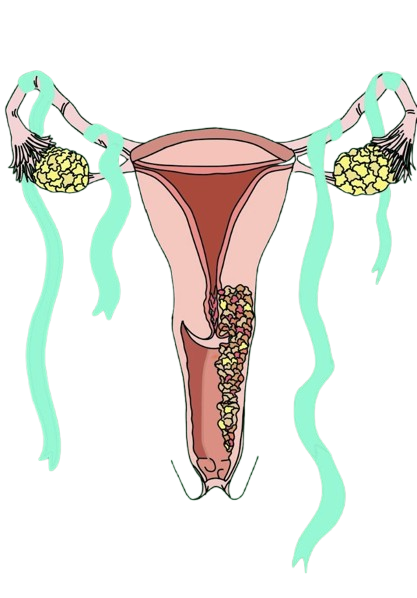
Understanding Vulvar Cancer
Vulvar cancer is a rare type of cancer that develops in the external female genital organs, known as the vulva. It most commonly affects the outer lips of the vagina (labia majora and labia minora), but can also occur in the clitoris or vaginal opening. Early detection significantly improves treatment outcomes.
Key Symptoms of Vulvar Cancer
Symptoms can vary depending on the stage and location of cancer, but common signs include:
Persistent itching, burning, or pain in the vulvar area
Changes in vulvar skin color or texture
A lump, bump, or ulcer that does not heal
Unusual bleeding or discharge
Swelling or thickening of vulvar skin
Tenderness during urination or sexual activity
Possible Causes of Vulvar Cancer
While the exact cause is unknown, certain factors increase the risk:
Human Papillomavirus (HPV) infection – a leading cause in many cases
Long-term skin conditions like lichen sclerosus
Weakened immune system
Age – most cases occur in women over 60
Smoking – increases vulnerability to HPV-related changes
Types of Vulvar Cancer
Squamous Cell Carcinoma – The most common type, starting in the skin’s thin cells
Adenocarcinoma – Begins in the glandular cells of the vulva
Melanoma – Originates from pigment-producing cells in the vulva
Basal Cell Carcinoma – Rare and slow-growing
Risk Factors You Should Know
Chronic vulvar skin irritation
History of genital warts
Multiple sexual partners (increasing HPV risk)
Previous precancerous lesions (VIN – Vulvar Intraepithelial Neoplasia)
Diagnostic Tests for Vulvar Cancer
If a doctor suspects vulvar cancer, they may perform:
Physical examination – Checking for skin changes, lumps, or sores
Biopsy – Removing a small tissue sample for lab analysis
Colposcopy – Magnified examination of vulvar tissue
Imaging tests (MRI, CT, PET) – To check cancer spread
Stages of Vulvar Cancer
Stage 0 – Abnormal cells only in the surface layer (VIN)
Stage I – Cancer limited to the vulva or perineum
Stage II – Cancer spreads to nearby tissues
Stage III – Cancer involves nearby lymph nodes
Stage IV – Cancer spreads to distant organs
Treatment Options by Stage
Treatment depends on the stage and patient’s overall health:
Surgery – Removal of cancerous tissue, sometimes including nearby lymph nodes
Radiation therapy – Often combined with surgery to kill remaining cancer cells
Chemotherapy – For advanced stages or when radiation isn’t enough
Targeted therapy – For specific cancer types with certain genetic markers
Vulvar Cancer During Pregnancy
Though rare, vulvar cancer can occur during pregnancy. Treatment decisions depend on cancer stage and pregnancy stage. In early pregnancy, surgery may be delayed until after delivery, but advanced cases may require immediate intervention. A multidisciplinary team will ensure the safety of both mother and baby.
Prevention and Self-Care
Practice safe sex to reduce HPV risk
Get the HPV vaccine
Avoid smoking
Regularly check and report any skin changes in the vulvar area
Attend routine gynecological checkups